Active Recovery Day Ideas That Keep Effort Easy
Active recovery should feel suspiciously easy
An active recovery day uses comfortable movement between harder sessions. An easy walk, relaxed ride, gentle mobility practice, casual swim, light household activity, or low-key game can fit. The session should not quietly turn into another workout wearing a fake mustache.
Active recovery is optional. It does not automatically improve recovery, remove soreness, or beat complete rest. Choose it only when movement feels appropriate and leaves you no more fatigued than when you began.
Use a simple effort filter
A suitable activity lets you breathe comfortably and speak in full sentences. Your movement stays coordinated, and you do not need to psych yourself up for the next minute. These cues help regulate effort but are not medical tests.
Before beginning, ask:
- Do I feel generally well enough for easy movement?
- Can I do this activity without pain?
- Is today's weather and environment safe?
- Will this compete with recovery from my harder sessions?
- Am I willing to stop if it does not feel easy?
Illness, injury, unusual exhaustion, or concerning symptoms can make complete rest and professional advice the better plan. The recovery days collection never treats rest as a character flaw.
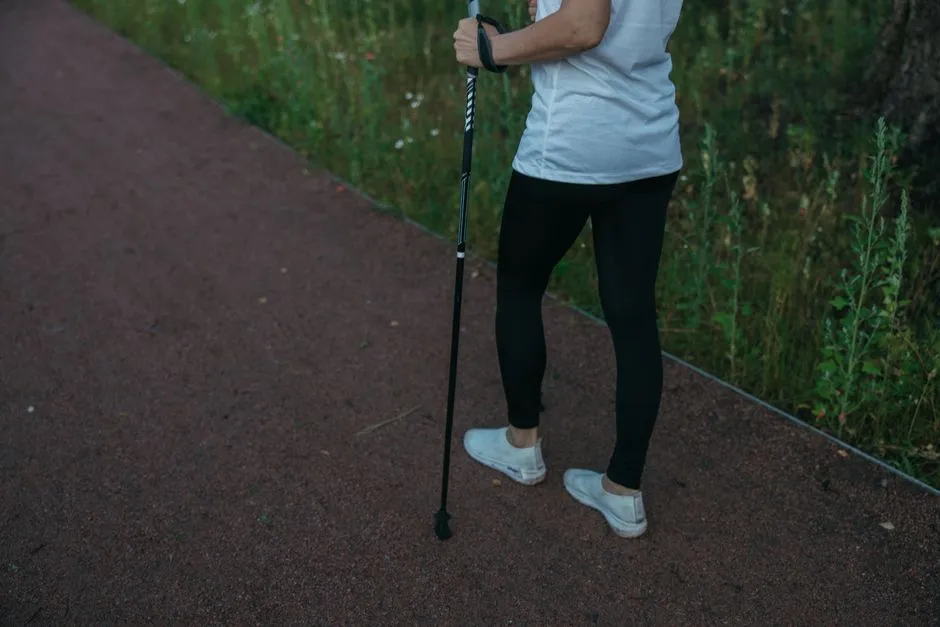
Take an easy walk
Choose a flat, familiar route and a pace that feels conversational. Shorten the route when heat, cold, hills, crowds, or poor surfaces increase the demand. Appropriate footwear and visibility matter; so does having a way home that does not depend on finishing the planned distance.
Walking is not automatically easy for every body. If it changes your gait, raises pain, or feels like training, choose something else or rest.
Pedal with no finish-line energy
A relaxed bicycle ride or stationary cycle can work when cycling is already comfortable for you. Use a light resistance, avoid hard climbs and sprints, and keep the duration modest. Outdoor riders need a roadworthy bicycle, helmet appropriate to local rules and conditions, visibility, and safe route judgment.
Do not learn technical terrain on a recovery day. The goal is circulation and enjoyment, not an exciting new relationship with gravel.
Try gentle mobility
Move a few joints through comfortable ranges: shoulder circles, easy trunk rotations, ankle movements, or slow transitions between familiar positions. Breathe normally and avoid forcing end range. Mobility work should not be painful, competitive, or used to diagnose yourself.
Stretching can be included if it feels good, but long or intense stretching is not mandatory. Numbness, swelling, instability, persistent restriction, or sharp pain warrants appropriate assessment rather than creative internet contortions.
Make recreation actually recreational
Easy swimming, tossing a ball, gardening, dancing to two songs, or playing gently with children may count when the effort stays low and the setting is safe. The label matters less than the response. A “casual” game that has everyone diving for points is training now, regardless of the invitation font.
Pick activities you already know. New skills often demand more concentration and muscular effort than expected. Keep water safety, supervision, protective equipment, and local conditions in mind.
Let ordinary movement be enough
Recovery movement does not require a session. A few comfortable errands on foot, light meal preparation, or short movement breaks may provide all the activity you want. If your regular day is already physically demanding, adding a recovery workout may be unnecessary.
People using the beginner functional routine can perform a brief technique-only practice with easier variations, but should stop well before fatigue. Do not use an easy day to sneak in every repetition missed earlier.
Finish by checking the result
Afterward, ask whether energy, symptoms, mood, and movement feel the same, better, or worse. One day does not prove a method, but a clear increase in fatigue or discomfort tells you the dose was not restorative.
Eat, drink, sleep, and follow any personal health guidance appropriate to you. Stop and seek prompt help for chest discomfort, fainting, confusion, severe breathing difficulty, sudden weakness, or other urgent symptoms.
The most successful recovery day may look unimpressive on paper. That is fine. Recovery is the rare assignment where doing less can mean you understood the brief.