Recreational Activities for Fitness: A Practical Guide
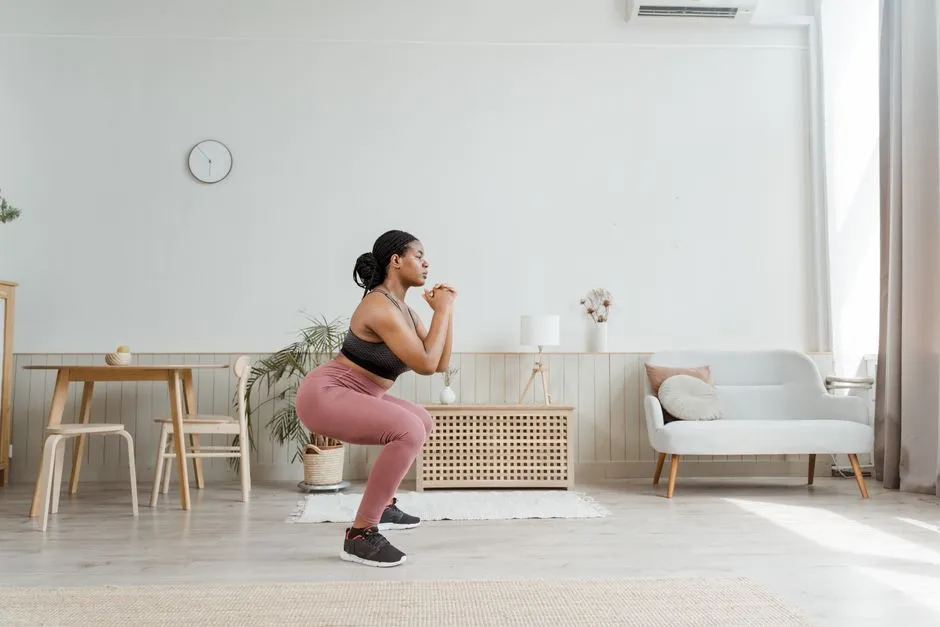
- Recreation can be real physical activity
- What counts as recreational movement?
- Match activities to the fitness job
- Use the talk test to check intensity
- Put the adult guidelines in context
- Pick an activity with a five-part fit test
- Turn a pastime into a repeatable movement session
- A two-week recreation experiment
- How recreation builds functional fitness
- Add strength without spoiling the fun
- Plan easier days on purpose
- Common plans that quietly fail
- A simple week built from things you like
- The decision that matters most
- Sources checked
Recreation can be real physical activity
Recreational activities can support fitness when they make you move at an effort and frequency that challenge your current baseline. Brisk walking, dancing, gardening, cycling, swimming, hiking, active games, paddling, and recreational sports may build aerobic capacity, strength, balance, coordination, or some combination. The label does not decide what counts; what your body actually does decides.
You do not need to love a gym. You do need an activity you can access, repeat, recover from, and adjust. Start with the version that feels almost too manageable, track effort and consistency for two weeks, then change one thing at a time.
This is general fitness information, not medical advice or a promise of results. If you have a chronic condition or symptoms, work with a health professional on suitable activities and amounts. The CDC also advises checking with a doctor before beginning vigorous activity if you have been inactive, have a disability, or have overweight.
What counts as recreational movement?
Recreation is movement you choose for enjoyment, interest, social connection, time outdoors, skill, or play. It differs from a formal workout mainly in purpose and structure, not in whether your muscles or cardiovascular system notice.
CDC distinguishes leisure-time activity from household, transportation, and occupational activity. Walking for pleasure, playing badminton, and joining a pickup basketball game are leisure examples. Gardening is generally household activity; cycling to a park is transportation. For personal planning, all can contribute movement, but separating them helps you see what is voluntary, what is physically demanding, and what you can realistically repeat.
Use four questions:
- Did you move? Sitting at a game does not become exercise because the game is recreational.
- How hard was it for you? The same walk can be light for one person and moderate for another.
- How long and how often did it happen? A wonderful annual hike is an experience, not a weekly activity pattern.
- Which capacity did it challenge? Aerobic effort, strength, balance, mobility, skill, and social enjoyment are different outcomes.
Match activities to the fitness job
One pastime does not have to cover everything. Build a small mix.
| Recreational activity | Often challenges | What changes the dose |
|---|---|---|
| Walking or rolling outdoors | Aerobic endurance, lower-body tolerance | Pace, hills, surface, duration |
| Social dancing | Aerobic effort, coordination, balance | Tempo, continuous time, movement range |
| Gardening | Mobility, lifting, carrying, sometimes strength | Digging, load, posture, work-rest pattern |
| Recreational cycling | Aerobic endurance, leg work | Speed, hills, wind, bike setup |
| Swimming or water play | Aerobic effort, whole-body movement | Stroke, continuous time, water depth |
| Hiking | Aerobic endurance, balance, leg strength | Grade, footing, distance, carried load |
| Paddling | Upper-body endurance, trunk control | Water, wind, craft, technique, duration |
| Casual court or field games | Aerobic bursts, agility, coordination | Space, rules, opponents, intensity |
| Playground time with children | Squatting, carrying, short aerobic bouts | Child, environment, how actively you join |
These are tendencies, not guarantees. Light weeding may not challenge strength. A relaxed bike ride may feel restorative, while a hilly ride can be vigorous. A wheelchair user may get aerobic work from brisk rolling, adaptive sport, or an arm cycle. Judge the task against the person's ability and effort.
Use the talk test to check intensity
CDC's talk test gives a simple relative measure:
- At moderate intensity, you can talk but not sing.
- At vigorous intensity, you cannot say more than a few words without pausing for breath.
- If conversation and singing remain easy, the activity may be light for you.
The test is more useful than assuming every activity carries one fixed intensity. Doubles tennis appears among CDC's moderate examples, while singles tennis appears among vigorous examples. General gardening can be moderate; continuous heavy digging may be vigorous. Your fitness, terrain, pace, weather, equipment, and health change the result.
Do not use breathlessness as a challenge to ignore symptoms. Stop for chest pain or pressure, fainting, severe or unusual shortness of breath, new weakness, or another urgent concern, and seek emergency care as appropriate. Persistent pain, dizziness, unusual fatigue, or symptoms that recur with activity need professional assessment.
Put the adult guidelines in context
Current U.S. guidance says adults should aim for 150 to 300 minutes of moderate-intensity aerobic activity a week, or 75 to 150 minutes of vigorous activity, or an equivalent combination. It also recommends muscle-strengthening activity involving the major muscle groups on at least 2 days a week.
Those numbers are a public-health destination, not a first-week quota. The same guidance says inactive people should start low, go slow, and increase how often and how long they move gradually. It also makes an encouraging point: any amount of physical activity can provide some health benefit, and activity no longer has to occur in 10-minute blocks to count.
Recreation can supply part or all of the aerobic total when it reaches moderate or vigorous intensity. It supplies strength work only when the muscles work hard enough against resistance. A gentle garden walk and moving heavy soil are both recreation, but they are not the same training input.
Pick an activity with a five-part fit test
The most theoretically efficient activity is useless if it repeatedly loses to real life. Score each option from 0 to 2 on five questions:
| Question | 0 | 1 | 2 |
|---|---|---|---|
| Enjoyment | You avoid it | It is tolerable | You look forward to part of it |
| Access | Expensive, distant, or rare | Takes planning | Easy to start this week |
| Physical fit | Clearly mismatched | Adjustable with help | Fits current ability |
| Social fit | Creates friction | Neutral | Supportive or pleasantly solo |
| Repeatability | Weather or schedule usually wins | Some backup needed | Reliable main or backup route |
A score out of 10 is not medical clearance. It is a friction test. Compare two or three options and investigate the high-scoring one. If walking scores 9 and a boutique class scores 4, the ordinary option has earned first place.
Accessibility belongs inside the choice, not at the end as a special note. Look for adaptive equipment, smooth routes, seating, accessible toilets, quiet times, transport, shade, water access, and instructors with relevant experience. A good activity fits the person who will do it.
Turn a pastime into a repeatable movement session
Give the activity a beginning, a middle, and a clean finish.
Begin below the interesting part
Start with easy movement that resembles the activity: a slow first loop, gentle dance track, easy paddle, or unhurried garden task. Check the environment and equipment. Let pace rise gradually.
Keep one clear main block
Choose a route, playlist, garden bed, game length, or number of easy rounds that you can complete without technique or judgment slipping. For a first session after a long break, 10 to 20 minutes may be enough; that range is an editorial starting point, not a universal dose.
Finish while the activity still belongs to you
Slow down, put equipment away, note how you felt during and after, and preserve enough capacity for normal life. “I could do this again” is more useful than needing several days to forgive the outing.
A two-week recreation experiment
Choose one main activity and one weather- or schedule-proof backup. Run six modest sessions over two weeks.
| Session | Main question | Keep constant |
|---|---|---|
| 1 | Is the setup practical? | Easy pace and short duration |
| 2 | Can you repeat the route or format? | Same duration |
| 3 | What intensity does the talk test show? | Same route or task |
| 4 | Does one small duration increase feel manageable? | Same intensity |
| 5 | Does the backup actually work? | Similar effort goal |
| 6 | What would make next week easier? | No test-day heroics |
After each session, record five things: minutes, activity, talk-test intensity, any pain or unusual symptom, and whether you would willingly repeat it. Also note how you felt later that day and the next morning.
At the end, keep, adjust, or replace the activity. Keep it when access is easy and recovery is ordinary. Adjust route, duration, pace, equipment, or timing when one friction point is obvious. Replace it when you dislike the activity, cannot access it reliably, or symptoms make it unsuitable pending professional guidance.
How recreation builds functional fitness
Functional fitness means having capacity for tasks that matter in everyday life. Recreation can rehearse those capacities without turning every hobby into a circuit.
- Walking hills can challenge sustained leg work and breathing.
- Gardening may involve squatting, hinging, kneeling, reaching, carrying, and getting up from the ground.
- Dancing practices rhythm, direction changes, balance, and repeated movement.
- Paddling asks the trunk and upper body to transfer force while posture changes.
- Active play can require starts, stops, reaches, crawls, carries, and quick decisions.
The transfer is never automatic. Gardening with a painful rounded lift does not become good training because it is practical. Technique, load, environment, and recovery still matter. If you want a structured complement, use the beginner functional-fitness routine rather than forcing a favorite pastime to cover every pattern.
Add strength without spoiling the fun
Many enjoyable activities are mostly aerobic. That is fine. Pair them with two brief weekly strength sessions appropriate to your ability if you are working toward the adult guidelines.
You can also notice genuine resistance already inside recreation: digging, carrying garden materials, climbing, moving a paddle through water, or repeated bodyweight tasks. For an activity to count as muscle strengthening, it has to make the relevant muscles work harder than their usual workload. Simply holding a light object throughout a walk does not guarantee useful strength training and may change gait or comfort.
Do not add weights to a recreational movement just to make the label more impressive. Use suitable equipment, stable technique, and a progression that can be stopped cleanly. A qualified trainer or physical therapist can adapt movements around disability, prior injury, pain, or uncertainty.
Plan easier days on purpose
A low-effort walk, easy mobility session, casual swim, or gentle cycle can feel good between harder days. Our active-recovery ideas keep the effort intentionally easy.
But an “easy” activity is only easy if it is easy for you. A long hike is not recovery because the scenery is lovely. Use the talk test, duration, muscle fatigue, and next-day response. Choose full rest when you are ill, injured, unusually exhausted, or advised to rest. Persistent symptoms are a care question, not a motivation problem.
Common plans that quietly fail
| Plan | Why it fails | Better decision |
|---|---|---|
| “I will do whatever sounds fun” | No time or trigger is defined | Choose two specific windows and a backup |
| “Gardening covers everything” | Intensity and movement can be narrow | Audit aerobic and strength jobs separately |
| “Every outing must be hard” | Recovery and enjoyment disappear | Keep easy, moderate, and harder days distinct |
| “I will buy gear first” | Shopping replaces participation | Borrow, rent, or use a basic version twice first |
| “Pain means progress” | Symptoms can worsen with repetition | Stop, assess, and get qualified help |
| “Bad weather ruins the week” | No substitute exists | Pair outdoor recreation with an indoor option |
A simple week built from things you like
Here is an example, not a prescription:
- Tuesday: 20-minute brisk walk with a friend; talk-test check.
- Thursday: 15 minutes of the beginner functional routine at an appropriate level.
- Saturday: 45 minutes of gardening with task changes and breaks.
- Sunday: easy neighborhood roll, walk, or gentle dance if it feels restorative.
That is 80 minutes of planned movement before counting how much of the gardening was actually moderate intensity. Do not inflate the log. Record moderate minutes only when the effort meets the relative test. Add gradually from the week you truly completed, not the one you hoped to complete.
The decision that matters most
Choose recreation that is enjoyable enough to repeat and adjustable enough to meet you where you are. Then make the movement visible: identify its intensity, the fitness job it performs, and the time you actually spend doing it. Add what is missing instead of dismissing the whole activity.
The gym is one tool. A walk, garden, dance floor, pool, trail, bike, game, or paddle can also be a serious part of an active life—provided the plan is honest about effort, consistency, safety, and recovery.